DESIGN.md Is the New Figma
Why I think manual design in Figma is on its way out, and why a DESIGN.md file plus AI coding tools will become the real source of truth.
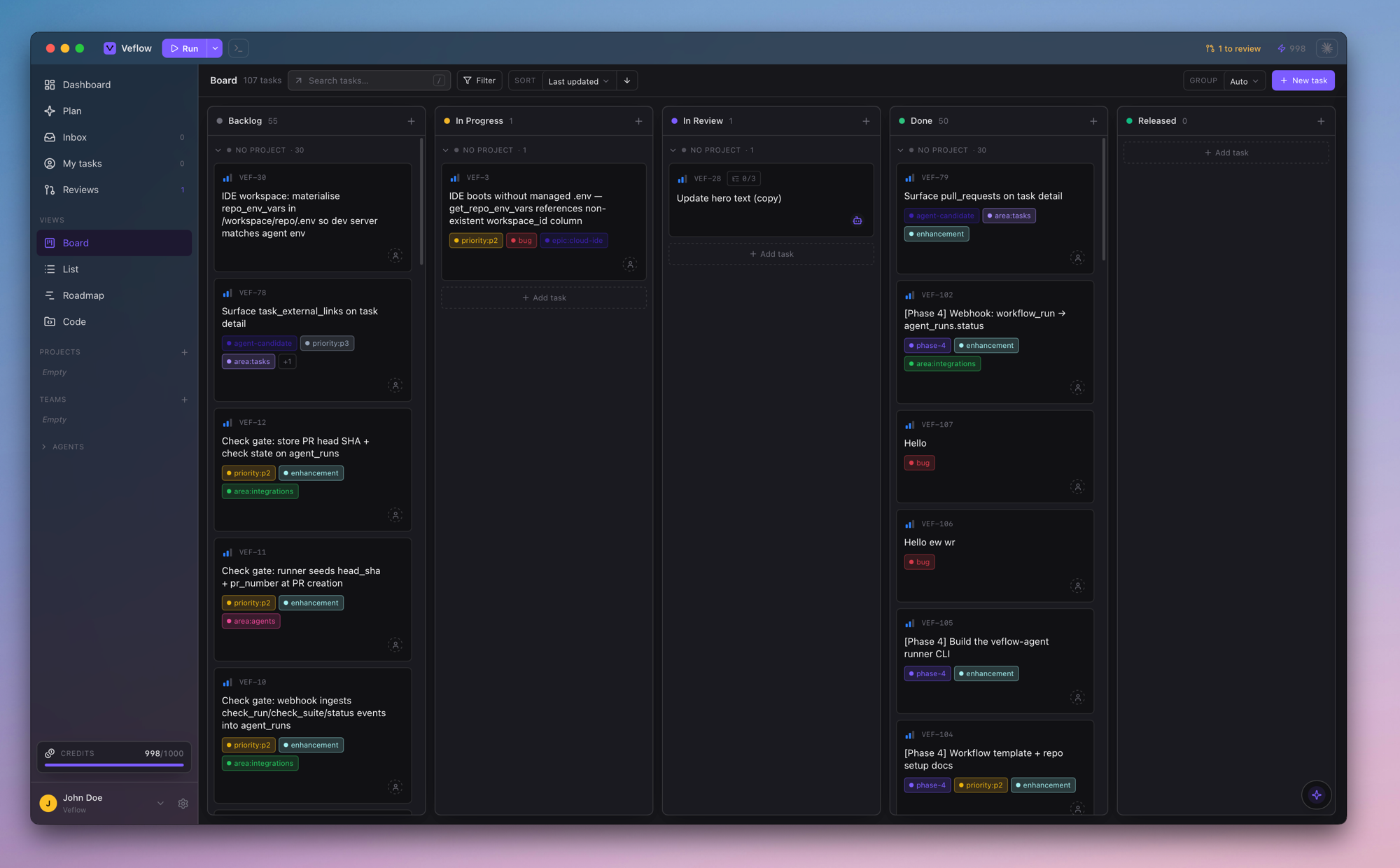
Agent-powered task workspace — turn a product brief into a merged pull request
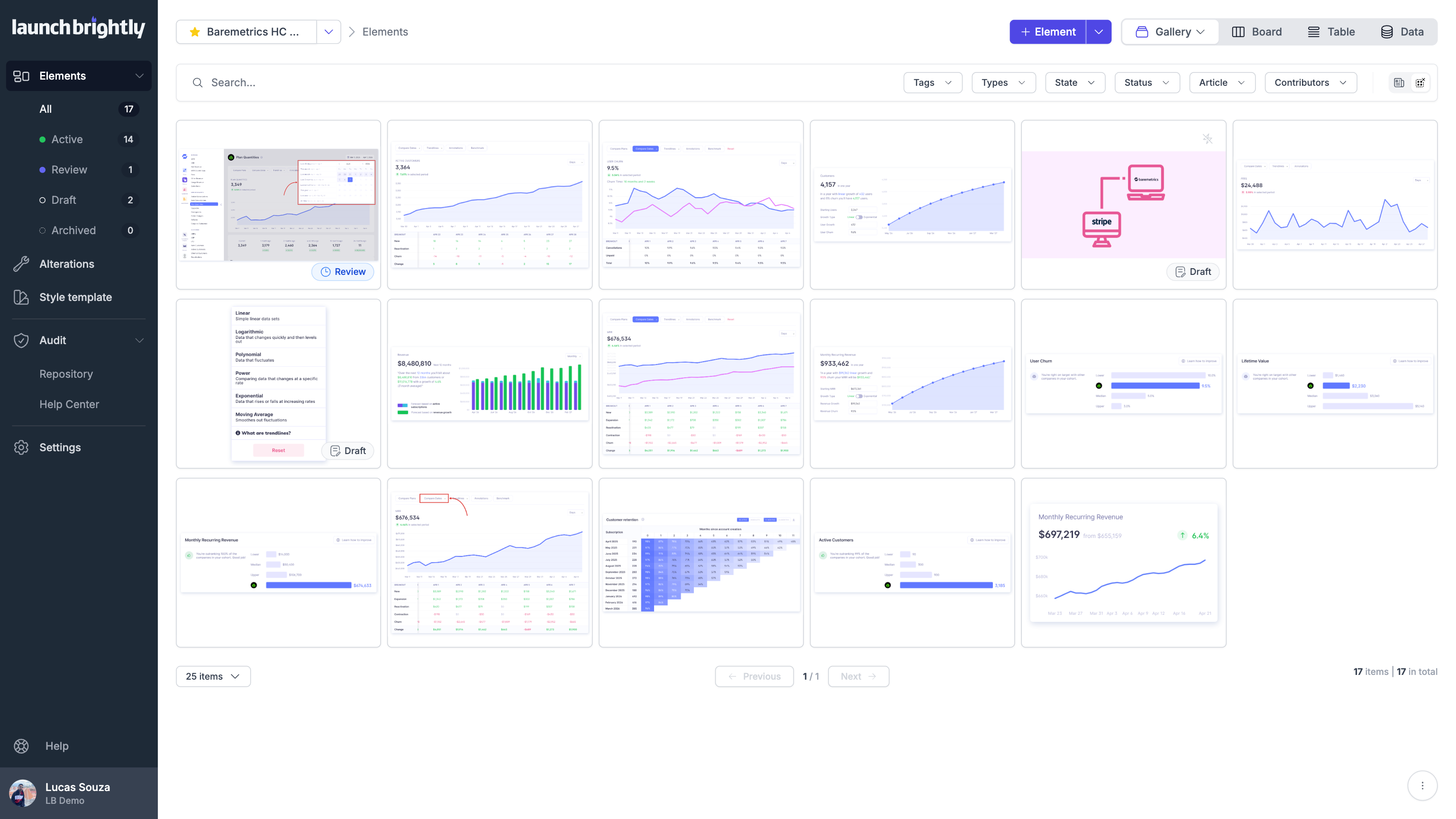
Design system & product UI for a screenshot automation platform
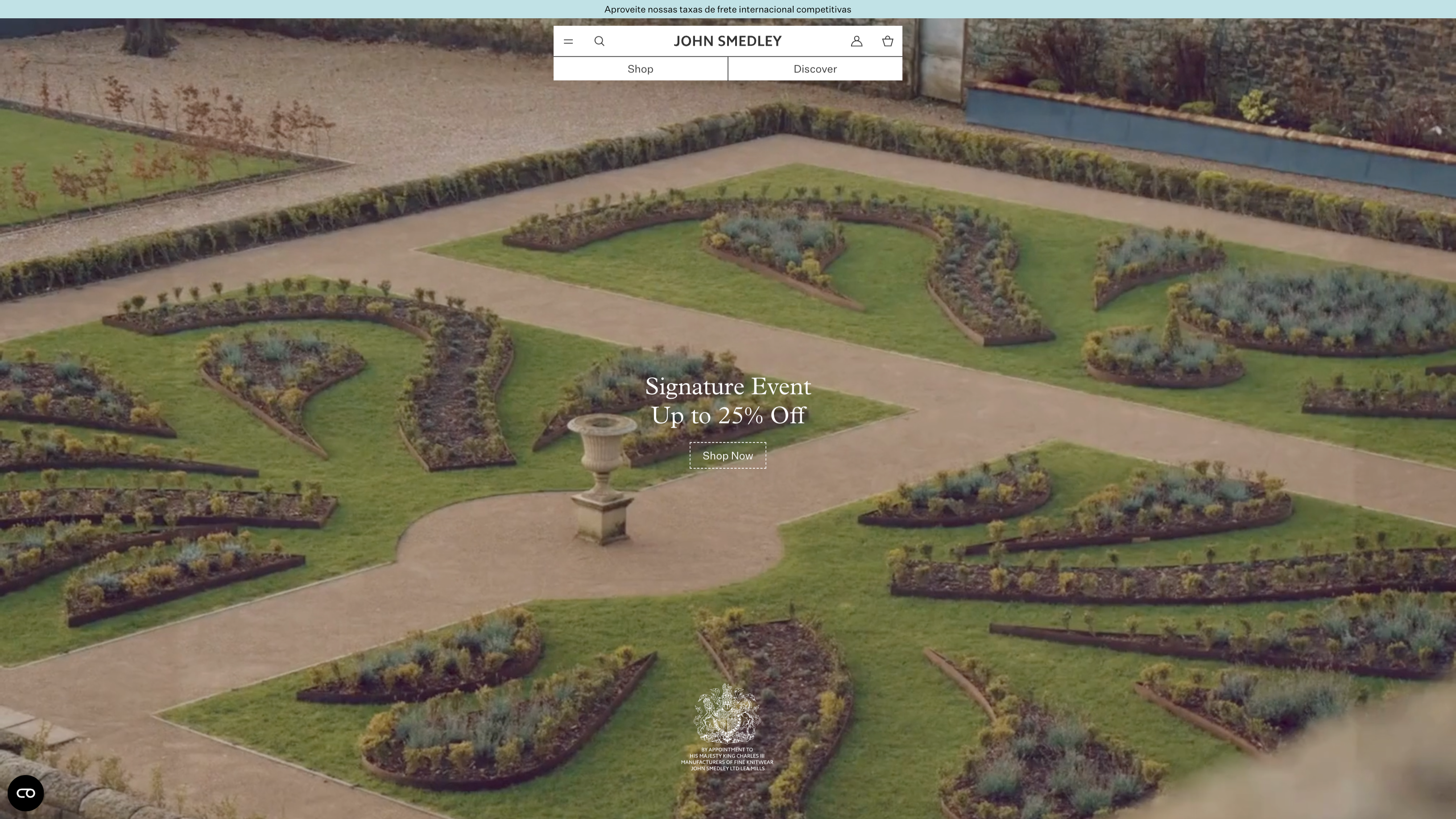
Luxury clothing ecommerce built with Nuxt 4, Dato CMS and Centra
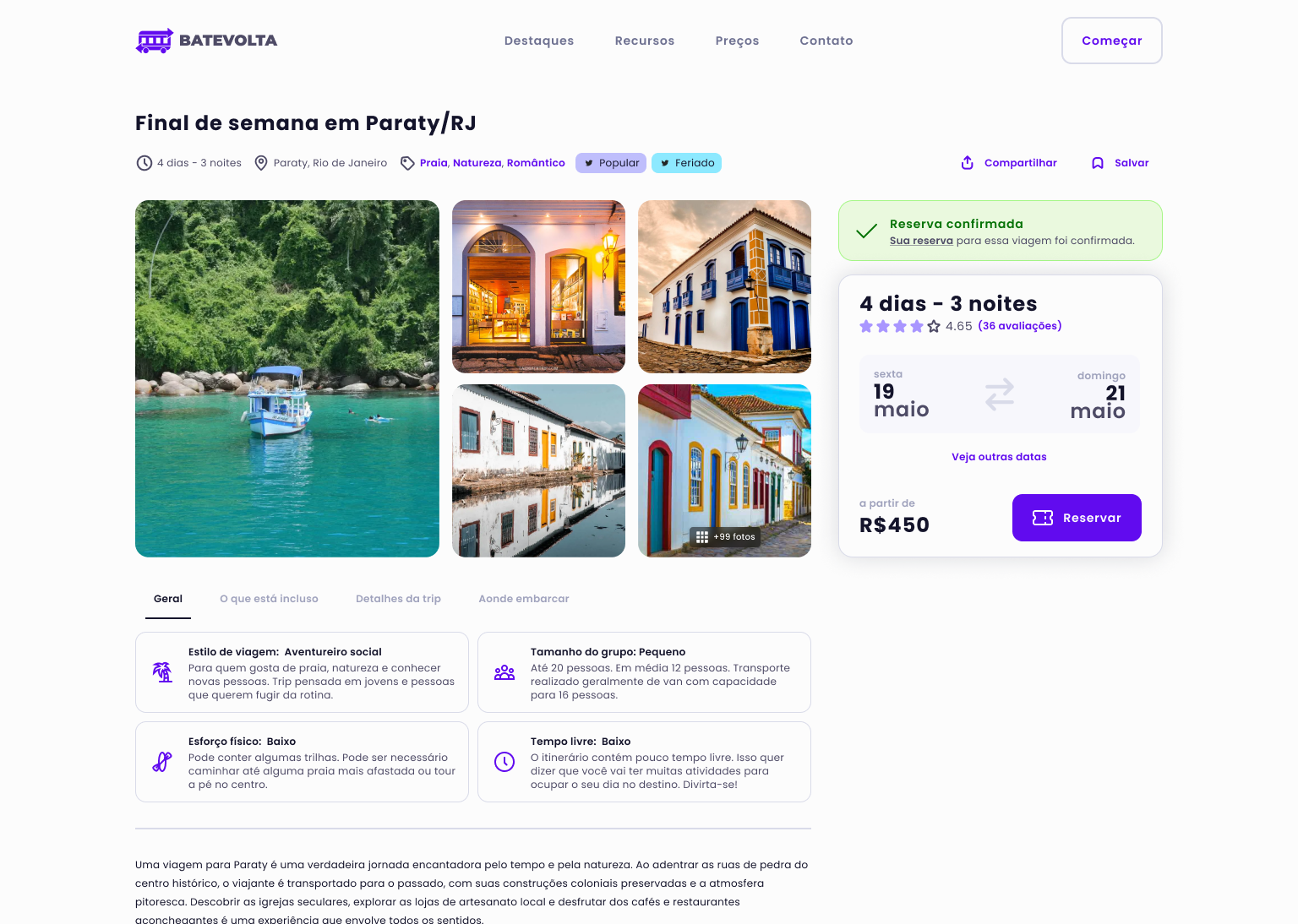
A travel platform I founded, designed, managed, and built end-to-end
I'm Lucas Souza, but most people call me Los (like "loss") — an AI engineer and UX-focused full-stack developer with over eight years of experience shipping fast, high-quality applications. I'm Brazilian, based in Sorocaba, São Paulo, and I've spent most of my career working remotely with teams across the world.
What sets me apart is range: I can take a product from a Figma file to a merged pull request without a handoff. I design and build the frontend (Vue, Nuxt, TypeScript, design systems), the backend (Supabase, Postgres, Cloudflare Workers), and increasingly the AI layer — LLM tool-use loops, agents, and MCP servers wired into real products. My work has spanned startups and large enterprises like Tim, Bradesco, and Vivo, reaching millions of monthly active users.
Two things anchor everything I make: speed and UX. Fast to build, fast to run, and effortless to use — motion that feels right, interfaces that quietly get out of the way, and AI that actually earns its place instead of being bolted on.
I'm the founder and sole engineer of Veflow — an agent-powered task workspace where a written brief becomes a planned, built, previewed, reviewed, and merged pull request. I designed the product and built the whole stack solo: a pnpm monorepo where a web app, a Tauri v2 desktop app, and a React Native (Expo) mobile app share one Vue 3 core — plus a Nuxt marketing site — backed by Supabase and a Cloudflare orchestrator.
Its centrepiece is the ADE, an in-browser Agentic Development Environment that puts a git worktree, terminal, editor, the live agent and a PM-style chat in one cockpit. Underneath is an AI coding-agent runtime I built on the Anthropic API — a tool-use loop that operates on a real git checkout, streams its progress live, meters its own token cost into a credit ledger, and finalises into a branch or PR, running at parity in a cloud container and a local desktop sidecar.
Alongside Veflow, since August 2023 I've been Founding UX Engineer at Launchbrightly, where I own a 150+ component design system in Figma + Vue 3 + Storybook, work directly with the CEO and CPO on product strategy, and keep the app test-driven — 85% coverage with Vitest, Vue Testing Library, and VTU.
Outside work I'm into gaming, travel, airsoft, taekwondo, shooting, and playing on my small home studio. I'm married, have two stepchildren, a baby, two dogs, and a snake. ADHD brain, INTJ-A personality, introvert by nature.
I moved from São Paulo's capital to Sorocaba in 2020 — a quieter city of ~700k people — for a better cost of living and quality of life. I've been working remotely with global teams ever since.
I got into tech through gaming. In 2006 I started exploring addons for Counter-Strike. By 2008 I was creating MU Online servers to play with friends — my first contact with HTML/PHP. Then from 2009 to 2015 I wrote scripts, gamemodes, and plugins for GTA San Andreas's SA:MP community that achieved 100k+ downloads.
In 2018 I was hired by Vivo and started modernizing their stack from jQuery to Vue, and a year later at Accenture I helped build an in-house JS framework for *Tim*, one of Brazil's largest telecoms. After that I led frontend at Bradesco (Brazil's third-largest bank), then shipped embedded UI for set-top boxes at Claro.
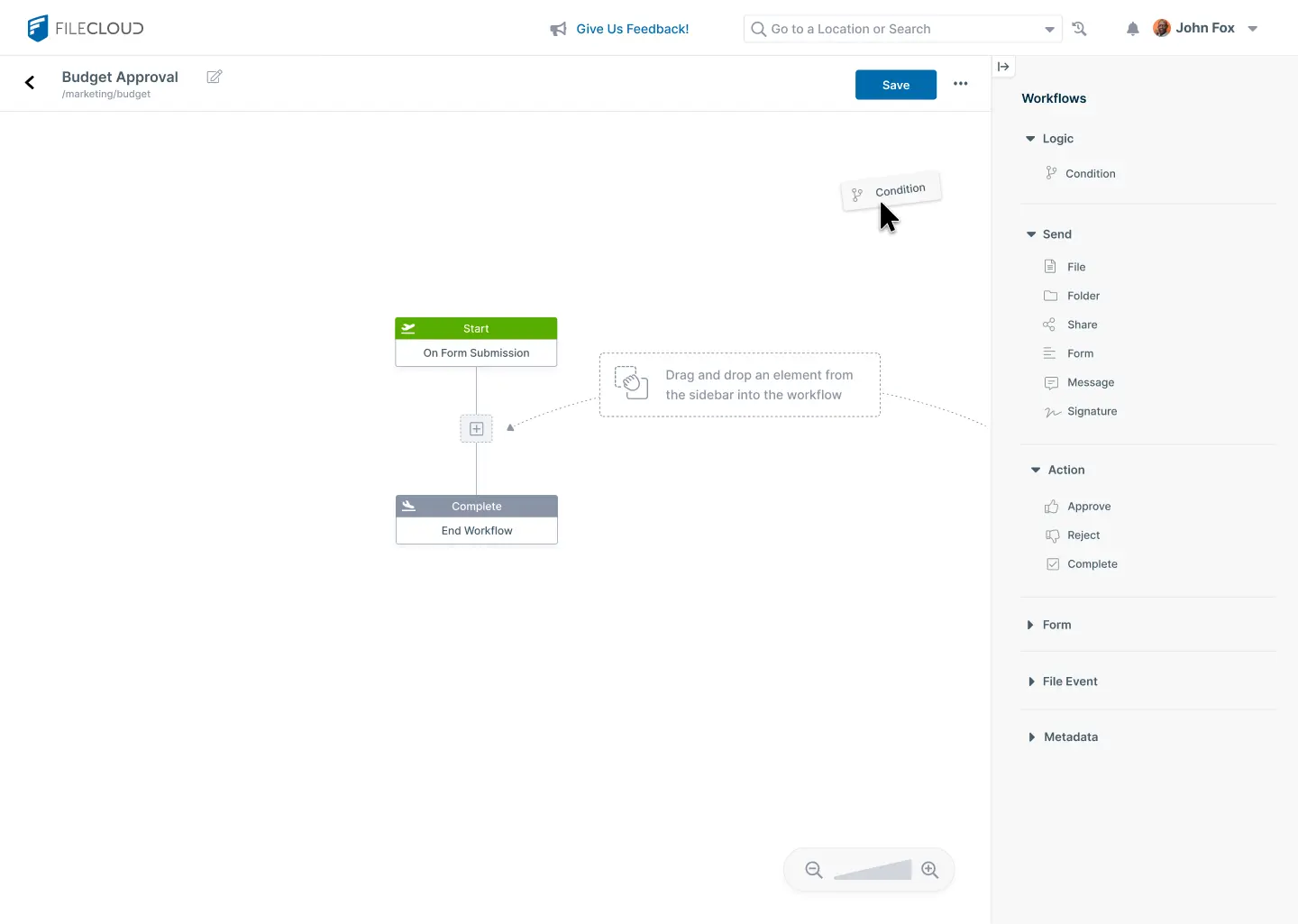
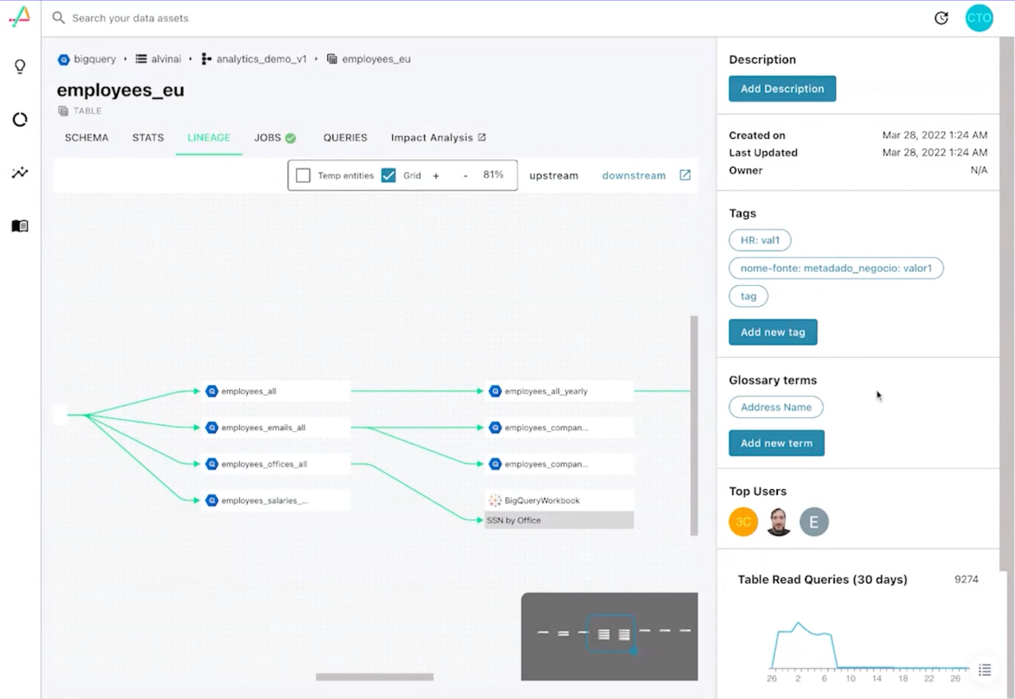
A long detour through FileCloud, Alvin AI, and a stint as founder of BateVolta taught me how teams of every size ship. At FileCloud I won the company's Technical Achievement Reward — the first in fourteen years — and was named Developer MVP for 2021.
Most of what I make now lives in the overlap between design and code, but still with that passion with gaming industry.

Why I think manual design in Figma is on its way out, and why a DESIGN.md file plus AI coding tools will become the real source of truth.
Lessons learned from creating and maintaining a 120+ component design system across Figma and Vue 3.
Reflections on how the frontend landscape evolved from DOM manipulation to reactive component architectures.
Every idea, design decision, and UX review behind this site came from my head. It was coded in WebStorm with Claude Code assistance.
If you're not using AI in your workflow yet, someone who is, might already be shipping much faster than you.